Living among trees is a part of Florida life. Trees are an essential component of the scenery and the way of life, from the majestic palms that line suburban streets to the tall oaks that stand tall in older communities. However, every homeowner in Florida eventually has to decide whether to remove or cut their big trees.
Understanding the Difference
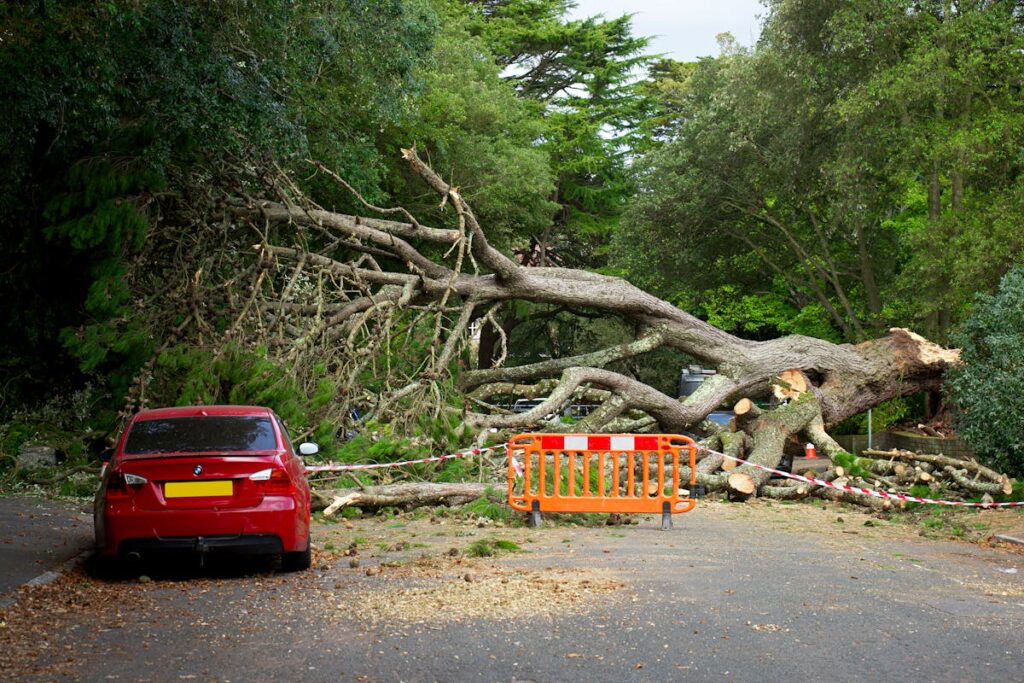
First, let’s review the basics. Pruning, or trimming, is a common aspect of tree care. Cutting back overgrown, dead, or dangerous branches helps maintain the safety of your property, encourages healthy growth, and enhances the tree’s shape. When a tree is dangerous, dying, or just doesn’t belong where it is, a much larger task of removing the entire tree may need to be done.
It’s not always evident when to remove something and when to trim it. This is particularly true in Florida, where tree care is more difficult than it may seem due to exotic plants, fast-growing species, and frequent hurricanes.
Florida Trees: Beauty and Responsibility
Florida is home to a wide variety of trees, from native hardwoods like live oaks and red maples to iconic palms and more problematic invaders like Brazilian pepper trees. Each species behaves differently and presents unique challenges.
Live oaks, for example, grow tall and wide, but their gigantic limbs can be dangerous during hurricane season if not properly pruned. Palms rarely require pruning, but when neglected, their fronds can become heavy and dangerous. Then there are trees like the melaleuca, which not only endanger native species but also require complete removal due to their invasive nature.
The decision to trim or remove a tree is strongly influenced by the type of tree, its health, and the damage it is causing to your property.
When Trimming Is the Right Call
Trimming is generally the best option when a tree is healthy but overgrown, imbalanced, or beginning to encroach on your home, driveway, or power lines. It can help reduce the weight of long limbs, allow for better airflow, and give your yard more light. Pruning can also encourage stronger, healthier growth by removing diseased or dead branches before the problem spreads.
Most trees in Florida should be trimmed in late winter or early spring, well before the hurricane season starts and before the heavy rains begin. With this timing, the tree may recover and develop again with less stress.
While some trees, such as palms, can be pruned all year round, excessive trimming, particularly the infamous “hurricane cut,” should be avoided. Instead of strengthening palms, such drastic pruning weakens them and increases their vulnerability to disease and storm damage.
When Tree Removal Becomes Necessary
Removal of trees is typically a last resort. However, there are instances in which it is not only suitable, but also necessary.
A dead or dying tree is an obvious danger. But sometimes a tree that looks fine on the outside is rotting from the inside.Internal decay, fungal growth near the base, or sudden limb drops can all signal a structural problem. If a tree is leaning or has cracked roots, it may already be on its way down. In Florida, where storms and hurricanes are part of the annual rhythm, even a minor lean can turn into a major threat.
Another case for removal is root damage. Some species, like ficus trees, have roots that can crack foundations, sidewalks, and driveways. If your tree is causing infrastructure problems or damaging your plumbing, trimming won’t solve the issue.
And don’t forget about species legality. Invasive trees like Brazilian pepper and melaleuca are often subject to removal ordinances. If they’re growing on your property, you may be required to remove them, whether you want to or not.
Permits and Local Rules

You cannot simply cut down a tree in Florida because you hate it. Many municipalities require a permit for tree removal. These rules are especially strict when it comes to protected or native species. A trained arborist can typically help speed up the procedure if your tree is endangering your house or people, or they can give you the paperwork you need to remove it without a permit. Permits are typically not needed for trimming unless it drastically changes the structure of the tree or impacts protected limbs.
Check your local tree ordinances before taking any action, or better yet, have an arborist or professional contractor do it for you.
Tree Replacement and Environmental Responsibility
In some counties, removing a tree comes with a condition: you may be required to replace it with a native species, especially if the one you removed was large or ecologically important. Alternatively, you might be asked to pay into a city tree fund.
This isn’t just bureaucracy for the sake of it. Florida’s tree cover plays a major role in managing stormwater, cooling urban areas, and supporting wildlife. Removing trees without replacement disrupts that balance. Replacing a removed tree with a native species like red maple, slash pine, or magnolia not only helps your yard recover, but it also helps the ecosystem.
Timing Is Everything
Timing matters more than many people think. Florida’s hurricane season stretches from June to November. That means early spring is the ideal time to assess your trees, get them trimmed, and, if necessary, schedule removals.
If you wait too long, you may have to compete for a spot on a busy contractor’s calendar, or worse, you may lose a tree in a storm and have to deal with damage right away. It goes beyond simply keeping your home safe. Giving your trees the best chance to survive hurricanes and remain healthy is another goal.
Tree Types to Watch in Florida
Let’s zoom in on a few species common to Florida neighborhoods.
Live oaks are tough, but their sprawling limbs need regular thinning to stay safe and balanced. They don’t usually need removal unless they’re diseased, rotting, or too close to your house’s foundation.
Sabal palms require minimal trimming, mostly of dead fronds, and rarely need to be removed unless they’re diseased or in the way of construction. Ficus trees can cause major problems with their roots, especially near driveways or sidewalks. If trimming doesn’t stop the damage, removal may be necessary.
Melaleuca and Brazilian pepper trees are invasive and, in many areas, subject to mandatory removal. Their rapid spread and disruption of native habitats make them a priority for local officials.
Think Long-Term

Your property’s long-term safety, aesthetics, and value are more important than the next storm when deciding whether to trim or remove. A properly cared-for tree can lower your energy costs, improve curb appeal, and provide shade for your house. On the other hand, a dangerous or neglected tree can cause stress and costly harm.
Before you make a decision, it’s worth calling a professional. A licensed tree care team can inspect your trees, identify risks, and recommend the best path forward. Sometimes, all it takes is a good trim. Other times, it’s smarter and safer to start fresh.
Let Nitro Help You Decide
At Nitro Home Maintenance, we’ve helped homeowners all across Florida manage their trees with confidence. Whether you’re unsure if your tree is safe, trying to prep your property for hurricane season, or just want a cleaner yard, we’re here to help.
Our skilled teams take care of everything with swiftness and care, from cleanup to permits. We don’t only cut down trees. We help you in making wise, well-informed choices for your house and your mental health.
If you’re debating whether to trim or remove a tree, let us come take a look. We will make a clear, honest recommendation, and if action is required, we will do so safely, efficiently, and professionally.