
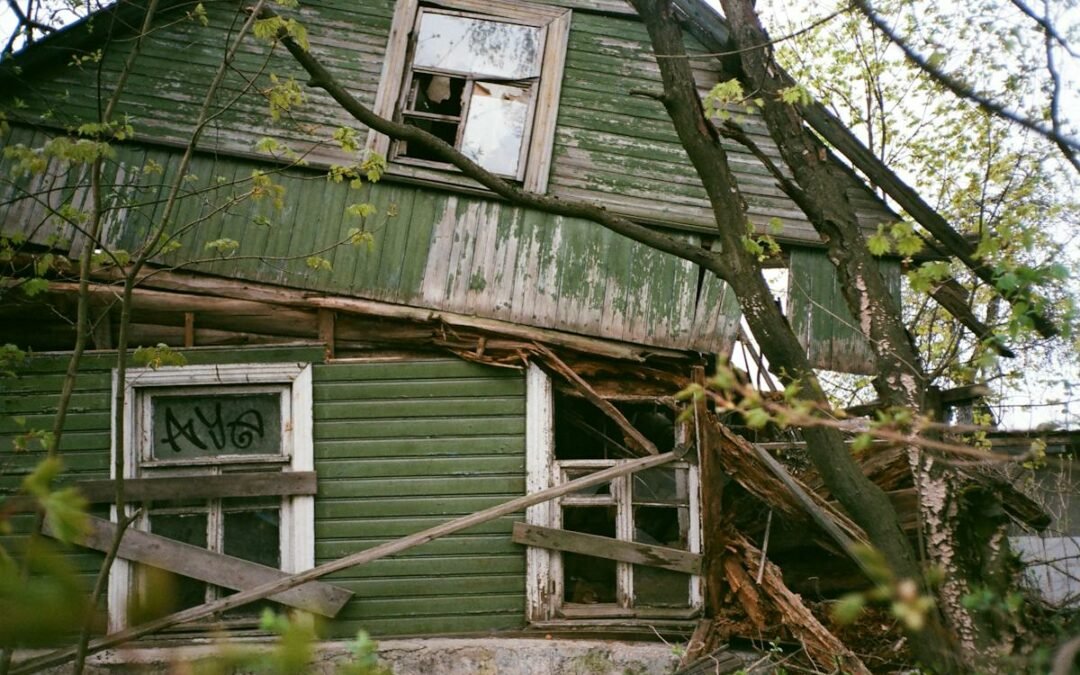
When you hear the word “demolition,” you might picture a massive wrecking ball smashing through a building in a cloud of dust and debris. While that makes for dramatic television, real demolition projects are far more methodical, careful, and complex than most people realize.
Whether you’re renovating an old property, removing a dangerous structure, or clearing space for new construction, understanding what happens during a demolition project can help you prepare for the process and ensure everything goes smoothly.
At Nitro Home Maintenance in St. Petersburg, Florida, we’ve guided countless property owners through successful demolition projects. From small interior teardowns to complete structure removal, each project requires careful planning, safety precautions, and proper execution to protect both people and property.
Let’s walk through what you can really expect when those walls come down.
Understanding Demolition: More Than Just Destruction
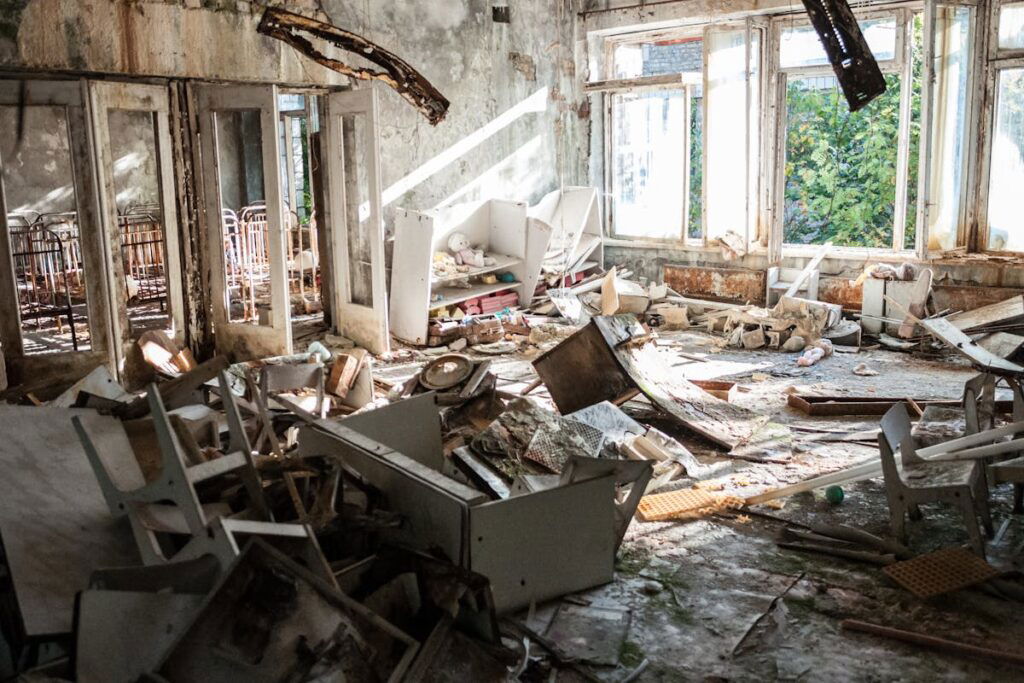
Demolition involves the careful dismantling or destruction of structures or specific areas of a property, particularly those that are load-bearing or connected to a building’s structural integrity. This definition excludes temporary construction supports like scaffolding or the removal of utility poles, which follow different processes and regulations.
Demolition projects can involve both fixed and movable structures, including buildings, homes, chimney stacks, sheds, silos, and towers. Each type of structure requires different approaches, tools, and safety considerations.
The key difference between professional demolition and simple destruction is the level of planning, safety measures, and environmental considerations that go into each project. Professional demolition protects workers, nearby structures, and the environment while efficiently removing unwanted structures.
The Five Critical Stages of Professional Demolition
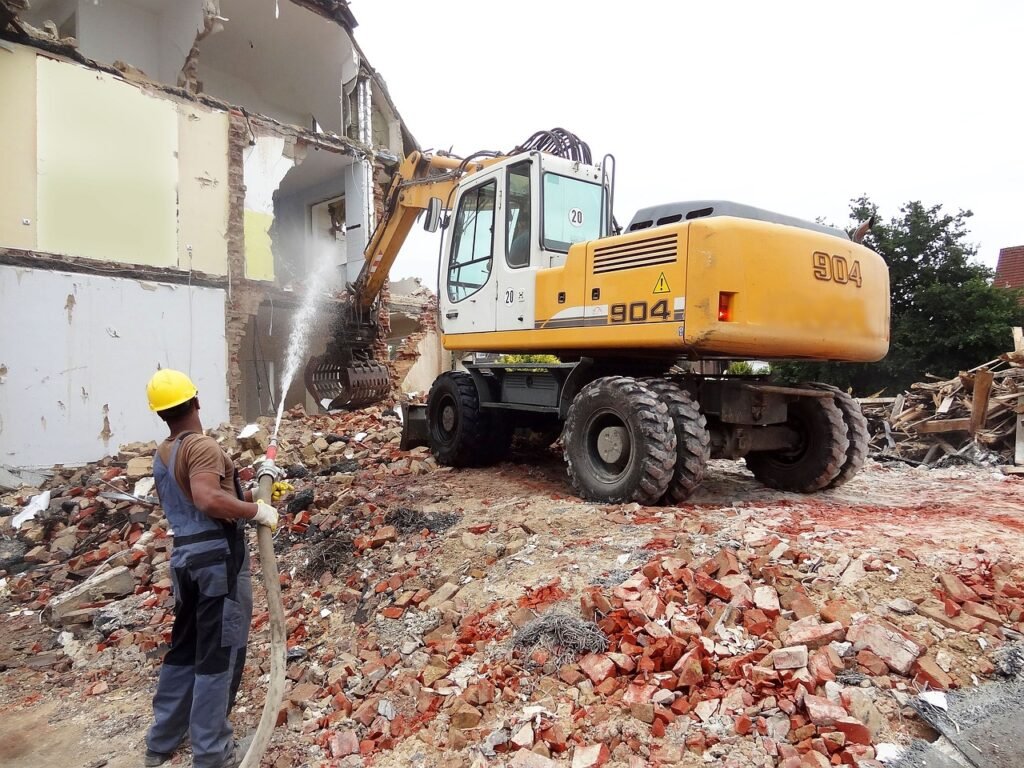
Every successful demolition project follows a systematic approach that prioritizes safety, efficiency, and environmental responsibility.
Stage 1: Comprehensive Site Assessment
Before any demolition work begins, a thorough site assessment must be completed by qualified professionals. This critical first step identifies potential hazards, evaluates structural conditions, and determines the safest approach for the project.
The assessment covers every aspect of the structure and surrounding area, including basements, ceilings, cellars, vaults, and any waste areas. Contractors also examine the broader environment to identify potential risks to nearby structures, groundwater, or other water sources.
During this phase, contractors specifically look for materials that pose fire or explosion risks, toxic or hazardous substances, debris that could complicate the demolition process, and health hazards like asbestos or lead paint. They also assess potential impacts on surrounding areas and neighboring properties.
The Asbestos Factor
One of the most critical aspects of site assessment is testing for asbestos, a dangerous material commonly found in older structures. Asbestos testing isn’t optional – it’s required by law in most areas because exposure can cause serious respiratory diseases and cancer. If asbestos is found, it must be safely removed by certified professionals before any demolition work can begin.
Stage 2: Material Management Planning
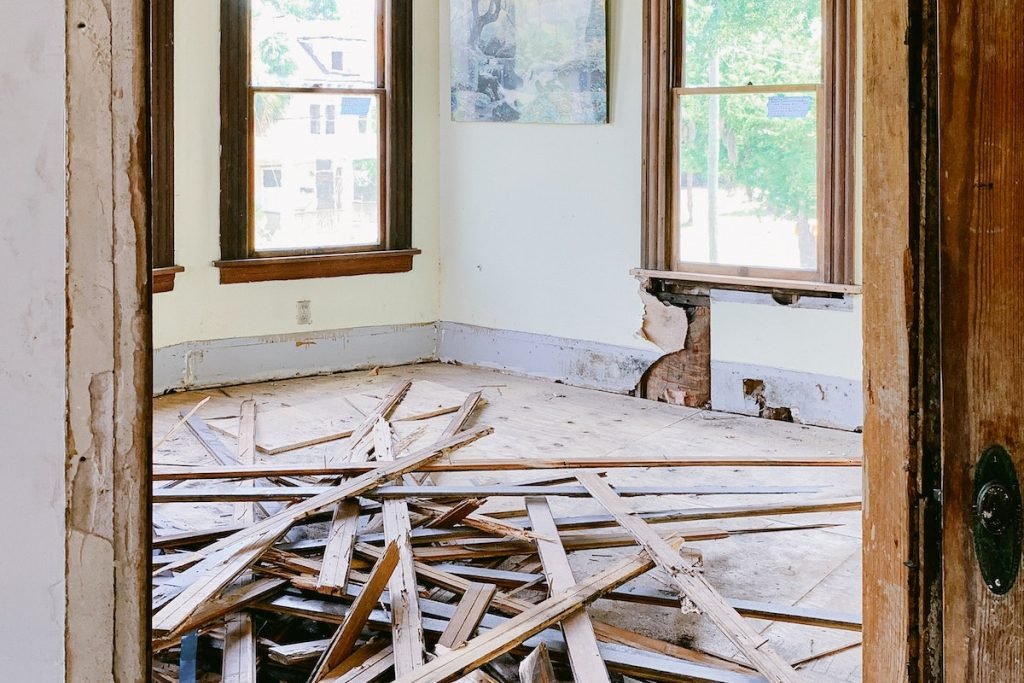
Before the first sledgehammer swings, successful demolition projects require detailed planning for handling all the materials that will be generated. This planning phase determines what happens to every piece of debris, from hazardous materials to valuable salvage items.
Hazardous Material Disposal
Hazardous materials like old batteries, paint, chemicals, and asbestos require special handling and disposal procedures. These materials must be safely contained and removed by certified professionals, often on the same day they’re removed to minimize exposure risks.
Recycling Opportunities
Many demolition materials can be recycled rather than sent to landfills, which benefits both the environment and your budget. Common recyclable materials include:
Asphalt from pavement and shingles can be processed into new road surfaces or used as fuel in cement production. Concrete and masonry materials get crushed and reused as aggregate for new concrete, roadbeds, or soil stabilization projects.
Metal components like aluminum, copper, and steel are particularly valuable because they can be melted down and reformed without losing their essential properties. Drywall can be processed into new construction materials, while glass from windows and fixtures can become new glass products.
Plastic materials often find new life in construction applications or get processed into new plastic products. Wood and lumber, especially untreated varieties, can be reused in new construction projects or processed into mulch, compost material, or pet bedding.
Salvage Considerations
Before demolition begins, walk through the structure to identify items that can be salvaged, donated, or reused. Furniture, fixtures, appliances, and architectural elements in good condition shouldn’t go to waste. Even if you don’t need these items, local charities or friends might appreciate the donations.
Environmental and Economic Benefits
Recycling demolition materials reduces landfill waste, conserves natural resources, and supports environmentally responsible construction practices. From an economic standpoint, recycling can significantly reduce disposal costs, especially for large projects. The materials you recycle today become the building blocks for tomorrow’s construction projects.
Stage 3: Risk Management and Safety Planning
Every demolition site presents unique safety challenges that require specific risk management strategies. Professional contractors develop comprehensive safety plans that protect workers, nearby residents, and surrounding structures.
Risk Identification and Mitigation
Some demolition projects involve unavoidable risks that require careful management rather than complete elimination. Professional contractors use several strategies to minimize these risks:
Substitution involves replacing dangerous demolition methods with safer alternatives. For example, using manual demolition techniques instead of heavy machinery in areas where precision is critical or where mechanical methods might damage nearby structures.
Isolation protects surrounding areas through barriers that separate the demolition site from public spaces, nearby buildings, and pedestrian traffic. These barriers aren’t just physical – they often include dust control measures and noise reduction techniques.
Administrative controls include clear signage warning workers and the public about potential hazards, established communication protocols, and defined roles for each team member. These controls ensure everyone knows their responsibilities and understands the risks involved.
Personal Protective Equipment
All demolition workers must wear appropriate safety equipment including hard hats, high-visibility vests, safety glasses, work gloves, and steel-toed boots. Depending on the project, additional equipment like respirators, ear protection, fireproof clothing, or welding shields may be required.
Environmental Consultants
Complex demolition projects often require environmental consultants to assess and manage risks related to hazardous materials, soil contamination, or groundwater protection. These specialists ensure that demolition activities comply with all environmental regulations.
Stage 4: The Demolition Process

With planning complete and safety measures in place, the actual demolition work can begin. Professional contractors develop detailed demolition plans that specify the methods, schedule, equipment, and sequence of operations.
Demolition Methods
Demolition projects use either explosive or non-explosive methods, depending on the structure, location, and project requirements.
Explosive demolition uses carefully placed charges to bring down structures quickly and efficiently. This method requires approval from regulatory authorities and extensive planning to ensure debris falls within designated areas. Contractors can design controlled explosions that cause buildings to collapse straight down or fall to one side, depending on the site constraints.
Non-explosive demolition relies on heavy equipment and hand tools to systematically dismantle structures. This approach uses bulldozers, excavators, sledgehammers, and sometimes wrecking balls to break down buildings piece by piece. Non-explosive methods offer more control over the process and generate less dust and noise than explosive techniques.
Project Coordination
Successful demolition requires coordinating multiple activities including utility disconnections, traffic management, dust control, and noise monitoring. Professional contractors work with local authorities to ensure all permits are in place and all safety requirements are met.
Stage 5: Site Cleanup and Restoration
Demolition work isn’t complete when the structure comes down. The final stage involves thorough cleanup and site preparation for whatever comes next.
Debris Management
All demolition debris must be sorted, with recyclable materials separated from waste destined for landfills. Materials like wood, steel, concrete, and copper get sorted for recycling, while hazardous materials receive special handling and disposal.
Site Restoration
Depending on your plans for the site, cleanup might include grading the land, removing remaining foundation elements, or preparing the area for new construction. Professional contractors ensure the site is safe and ready for its next use.
Why Professional Expertise Matters
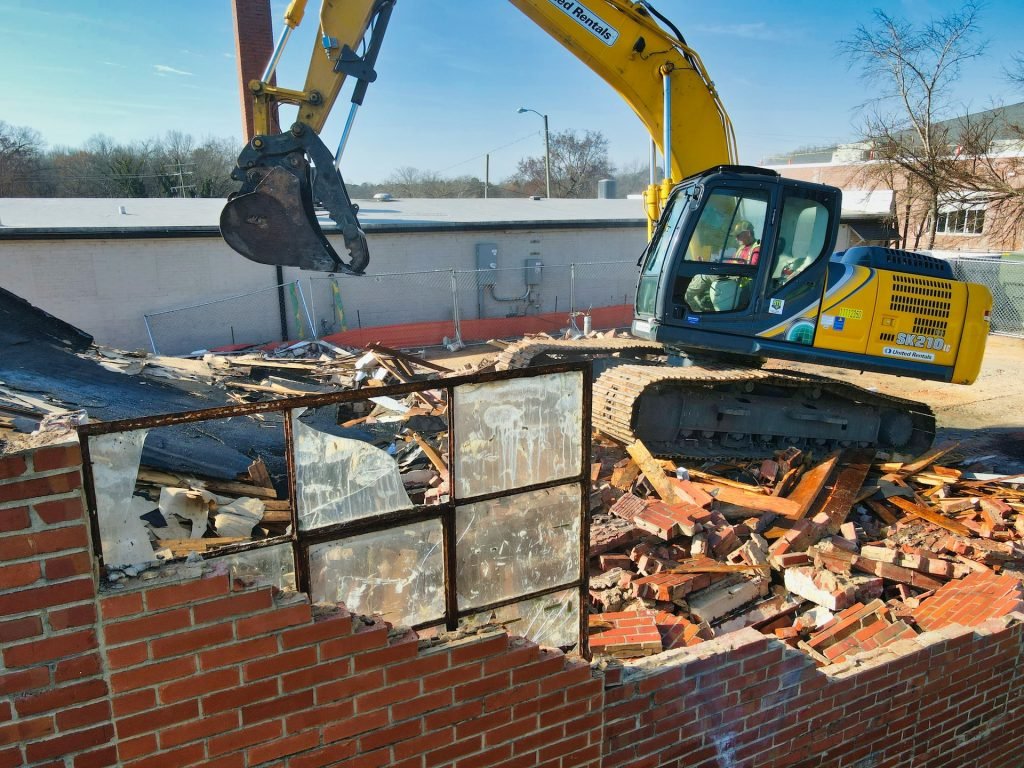
Demolition work involves serious safety risks, environmental concerns, and legal requirements that require professional knowledge and experience. Attempting demolition without proper training and equipment can result in injuries, property damage, legal violations, and costly cleanup problems.
Professional demolition contractors bring specialized knowledge about structural engineering, hazardous materials, environmental regulations, and safety protocols. They have the proper equipment, insurance, and certifications to handle demolition projects safely and legally.
Planning Your Demolition Project
If you’re considering a demolition project in St. Petersburg, Florida, proper planning and professional guidance can make the difference between a successful project and a costly disaster.
At Nitro Home Maintenance, we bring years of experience to every demolition project, from small interior renovations to complete structure removal. Our comprehensive approach includes thorough site assessment, careful planning, strict safety protocols, and complete cleanup services.
We handle all aspects of the demolition process, including permit applications, utility coordination, environmental compliance, and waste management. Our team works efficiently to minimize disruption to your schedule while ensuring every safety requirement is met.
Ready to move forward with your demolition project? Contact Nitro Home Maintenance today at 727-317-7404 or email nick@nitromaintenance.com. We’ll assess your specific needs and provide a detailed plan that ensures your project is completed safely, efficiently, and in compliance with all local requirements.
Don’t let demolition work become a source of stress and complications. Let our experienced team handle the details while you focus on your future plans for the property.