

As living organisms, trees are susceptible to disease, damage, old age, and harsh weather conditions. While we often want to save our beloved oaks, maples, or pines, there comes a critical point when a tree transforms from a landscape asset into a severe liability.
A compromised tree poses an immediate threat to your home, vehicles, surrounding power lines, and—most importantly—the safety of your family and neighbors. Ignoring the warning signs won’t make the problem go away; it only increases the likelihood of catastrophic property damage or tragic personal injury.
Recognizing the symptoms of a dying or hazardous tree is the first step in responsible homeownership and property maintenance. But how do you differentiate between a tree that just needs a little seasonal pruning and one that requires complete and total extraction?
Here are seven surefire signs your tree needs removal ASAP.
1. Severe Trunk Damage, Deep Cracks, and Cavities
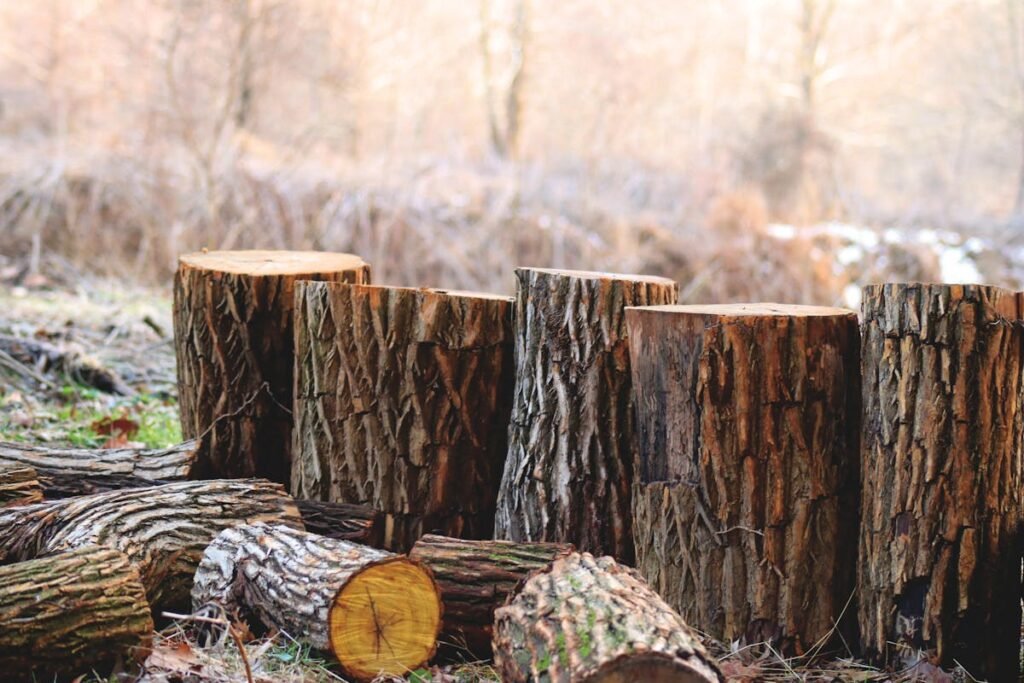
The trunk is the main structural pillar of a tree, responsible for supporting the massive weight of the upper canopy and facilitating the transport of vital nutrients from the root system to the leaves. When the trunk’s structural integrity is compromised, the entire tree is at risk of catastrophic failure. Take a close look at the main stem for these specific warning signs:
- Deep Vertical Cracks: Fissures that extend deeply into the wood compromise the tree’s load-bearing capacity.
- Missing Bark: Large patches where bark has sloughed off leave the vulnerable inner wood exposed to the elements, pests, and disease.
- Massive Hollow Cavities: A general rule of thumb in arboriculture is that if a tree’s trunk is more than 30% hollowed out or decayed, it should be removed immediately.
Extensive trunk damage means the tree no longer possesses the mechanical strength required to withstand high winds, heavy rainfall, or severe storms. Once decay reaches a certain critical threshold, leaving a deeply compromised tree standing is a gamble with gravity, and eventually, gravity will win.
2. Unexplained Fungi, Mushrooms, or Spores at the Base
To the untrained eye, a ring of mushrooms growing around the base of a tree might look like a charming, natural woodland occurrence. However, to a professional tree care expert, these fungal growths are often the equivalent of an emergency siren. Fungi naturally feed on dead and decaying organic matter. If they are actively thriving on your tree, it means the wood inside is rotting away. Watch out for these specific fungal indicators:
- Base Mushrooms: A dense cluster at the soil line usually points to advanced root rot, attacking the tree’s foundational anchor system out of sight.
- Shelf Fungi (Conks): Hard, woody growths protruding directly from the bark indicate that the internal decay is usually far advanced.
- Exposed Root Fungi: Fungal growth on the surface roots suggests the tree’s grip on the earth is fatally compromised.
A tree suffering from advanced root rot might still maintain a green canopy for a short period, giving the dangerous illusion of health while its underground support is entirely mushy and weak. If you spot these growths, it is time to call a professional for an immediate assessment.
3. A Sudden or Dangerously Pronounced Lean

It is entirely normal for some trees to develop a slight, gentle lean over time as they naturally grow toward available sunlight. However, there is a massive difference between a natural, gradual lean and a sudden, severe shift in a tree’s posture. If a previously straight tree suddenly begins to tilt, you have a severe emergency on your hands. Pay close attention to these leaning red flags:
- Soil Heaving: If you look at the ground on the opposite side of the tilt and see dirt lifted, raised, or cracked, the roots are actively being pulled upward.
- Exposed Root System: Roots suddenly snapping or becoming visible above the soil line.
- Sudden Shift After Storms: A lean that visibly worsens after a heavy rainstorm or high-wind event.
A sudden lean almost always indicates that the structural anchor holding tons of heavy wood upright has failed. The tree is in the physical process of falling. Do not wait to see if it stabilizes; it requires removal ASAP.
4. An Abundance of Dead, Hanging, or Falling Branches
All trees shed a few dead twigs throughout the year as part of their natural life cycle. But an excessive amount of large, dead branches is a major symptom of a tree in severe distress. Key symptoms of canopy failure include:
- “Widowmakers”: Large, brittle, dead branches suspended precariously in the canopy. These can snap and plummet without warning, even on calm days, causing devastating injuries or property damage.
- Crown Dieback: A condition where the tips of the branches die and the decay gradually works its way inward toward the main trunk, often caused by disease or environmental stress.
- More than 50% Deadwood: While professionals can sometimes prune mildly affected trees, a canopy that is more than half dead indicates the tree is beyond the point of no return.
When dieback affects a substantial portion of the canopy, it needs to be brought down safely before it comes down destructively.
5. Dangerous Proximity to Power Lines, Homes, and Foundations

Sometimes, a tree is perfectly healthy but is simply growing in the exact wrong location. Trees planted too close to infrastructure when they were small saplings can turn into massive hazards at full maturity. Consider these critical location hazards:
- Power Line Encroachment: A canopy aggressively pushing into high-voltage lines poses a severe risk of neighborhood power outages, electrical fires, or fatal electrocution.
- Foundation Threat: Invasive, expansive root systems seeking water can crack concrete foundations and destroy driveway asphalt.
- Underground Infrastructure Damage: Roots can aggressively infiltrate plumbing and sewer lines, leading to tens of thousands of dollars in home repairs.
If a tree requires constant, severe hacking to keep it clear of wires, it will eventually become structurally unbalanced and weak. Complete removal is often the most prudent and cost-effective solution.
6. Out-of-Season Leaf Loss and Chronic Discoloration
A tree’s foliage is a highly visible barometer of its overall health. Deciduous trees are biologically programmed to lose leaves in the fall, but if you notice abnormal shedding, something is terribly wrong. Look out for these foliage-related distress signals:
- Unseasonal Leaf Drop: Shedding leaves by the handful in the middle of spring or summer.
- Chronic Discoloration: Leaves that are persistently yellowed, stunted, or curled when they should be vibrant and healthy.
- Pest and Disease Indicators: Strange fungal spots on the leaves or visible insect damage.
These glaring symptoms often point to a systemic vascular disease or a severe pest infestation, like the Emerald Ash Borer or Oak Wilt. These issues swiftly decimate a tree’s internal system, preventing the transport of vital water and nutrients. Removing the infected tree quickly is crucial to prevent the issue from spreading to healthy trees in your neighborhood.
7. A Hollow-Sounding Trunk and Woodpecker Damage

A healthy, robust tree trunk should feel completely solid and produce a dull, dense thud when struck. These acoustic and wildlife signs are major red flags that decay has hollowed out the core:
- The Hollow Echo: Knocking or tapping on the wood produces a hollow, echoing sound instead of a solid thud.
- Increased Woodpecker Activity: Woodpeckers do not drill into healthy wood; they hunt for insects living exclusively inside dead, decaying timber.
- Numerous Bore Holes: Small holes bored into the trunk or main branches by insects and birds.
The combination of intense insect damage and internal cavities leaves the tree brittle, weak, and highly susceptible to snapping completely in half during the next strong wind gust.
Protecting Your Property: Make the Safe Call Today
If you have noticed any of these seven surefire signs—from deep trunk cavities and mysterious fungal growth to sudden leaning or widespread branch death—it is absolutely critical that you do not delay action.
Ignoring the problem risks catastrophic damage to your roof, your vehicles, and the lives of those you love. Protect your property, safeguard your family, and reclaim your ultimate peace of mind by having hazardous trees professionally removed before the next major storm rolls through.
Need Immediate Tree Assistance? Contact Nitro Home Maintenance Today!
Don’t wait for a disaster to strike your home. For expert, safe, and highly efficient home maintenance and property services, trust the dedicated team at Nitro Home Maintenance. Call us right now at 727-317-7404 or send an email to nick@nitromaintenance.com to schedule your consultation and secure your property today!